


What is Ankle Arthropathy?
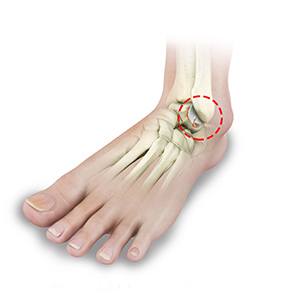
Ankle arthropathy refers to disease or degeneration of the ankle joint, leading to pain, stiffness, swelling, and reduced mobility. It is a broad term that encompasses various joint pathologies affecting the ankle, including osteoarthritis, rheumatoid arthritis, post-traumatic arthritis, and other inflammatory or degenerative conditions. The term arthropathy means “joint disease,” and in this case, it affects the tibiotalar joint (where the shin bone meets the talus bone of the foot).
What are the Causes of Ankle Arthropathy?
Ankle arthropathy can result from various underlying conditions, including:
- Osteoarthritis (Degenerative Arthropathy): This occurs as a result of age-related wear and tear of the joint cartilage.
- Post-Traumatic Arthritis/Arthropathy: This condition develops after ankle fractures, ligament injuries, or repeated sprains that alter the joint's mechanics.
- Rheumatoid Arthropathy: This condition occurs due to autoimmune inflammation from rheumatoid arthritis, leading to joint destruction.
- Crystal-Induced Arthropathy: This condition occurs due to the deposition of crystals in the joint, such as in gout (uric acid crystals) or pseudogout (calcium pyrophosphate crystals).
- Neuropathic (Charcot) Arthropathy: This condition is seen in individuals with conditions like diabetes, where nerve damage leads to abnormal joint loading and destruction.
- Infectious (Septic) Arthropathy: This condition occurs as a result of bacterial infection of the ankle joint, resulting in rapid joint damage if untreated.
What are the Signs and Symptoms of Ankle Arthropathy?
The common signs and symptoms of ankle arthropathy include the following:
- Chronic pain in the ankle joint
- Instability or “giving way” of the ankle
- Swelling and tenderness
- Stiffness, especially after rest
- Deformity or misalignment of the ankle
- Difficulty walking or bearing weight
- Reduced range of motion
How is Ankle Arthropathy Diagnosed?
Ankle arthropathy is diagnosed through a combination of clinical evaluation and diagnostic tests. The doctor begins with a detailed medical history and physical examination to assess pain, swelling, deformity, range of motion, and stability of the ankle joint.
Imaging studies play a key role - X-rays help identify joint space narrowing, bone spurs, or deformities; MRI scans evaluate cartilage, tendons, and ligaments; and CT scans provide detailed bone structure assessment, especially in post-traumatic cases.
In some cases, laboratory tests such as ESR, CRP, rheumatoid factor, or uric acid levels may be done to detect inflammatory or metabolic causes like rheumatoid arthritis or gout.
How is Ankle Arthropathy Treated?
Treatment for ankle arthropathy involves both non-surgical and surgical approaches, depending on the severity of the condition and the underlying cause.
Non-Surgical Treatment
- Activity modification: Avoiding high-impact activities to reduce joint stress.
- Medications: Nonsteroidal anti-inflammatory drugs (NSAIDs) or corticosteroid injections to relieve pain and inflammation.
- Bracing or orthotics: Ankle supports, braces, or custom shoe inserts to improve stability and alignment.
- Physical therapy: Exercises to strengthen surrounding muscles, improve flexibility, and enhance balance.
- Weight management: Reducing body weight helps decrease pressure on the ankle joint.
Surgical Treatment
If conservative management fails and pain or deformity persists, surgery may be recommended:
- Arthroscopic debridement: Removal of loose cartilage or bone spurs in early arthritis.
- Osteotomy: Realignment of bones to redistribute weight-bearing forces.
- Ankle arthrodesis (fusion): Fusing the ankle bones to eliminate pain by stopping joint motion.
- Total ankle replacement (arthroplasty): Replacing the damaged joint surfaces with artificial implants to preserve motion.